
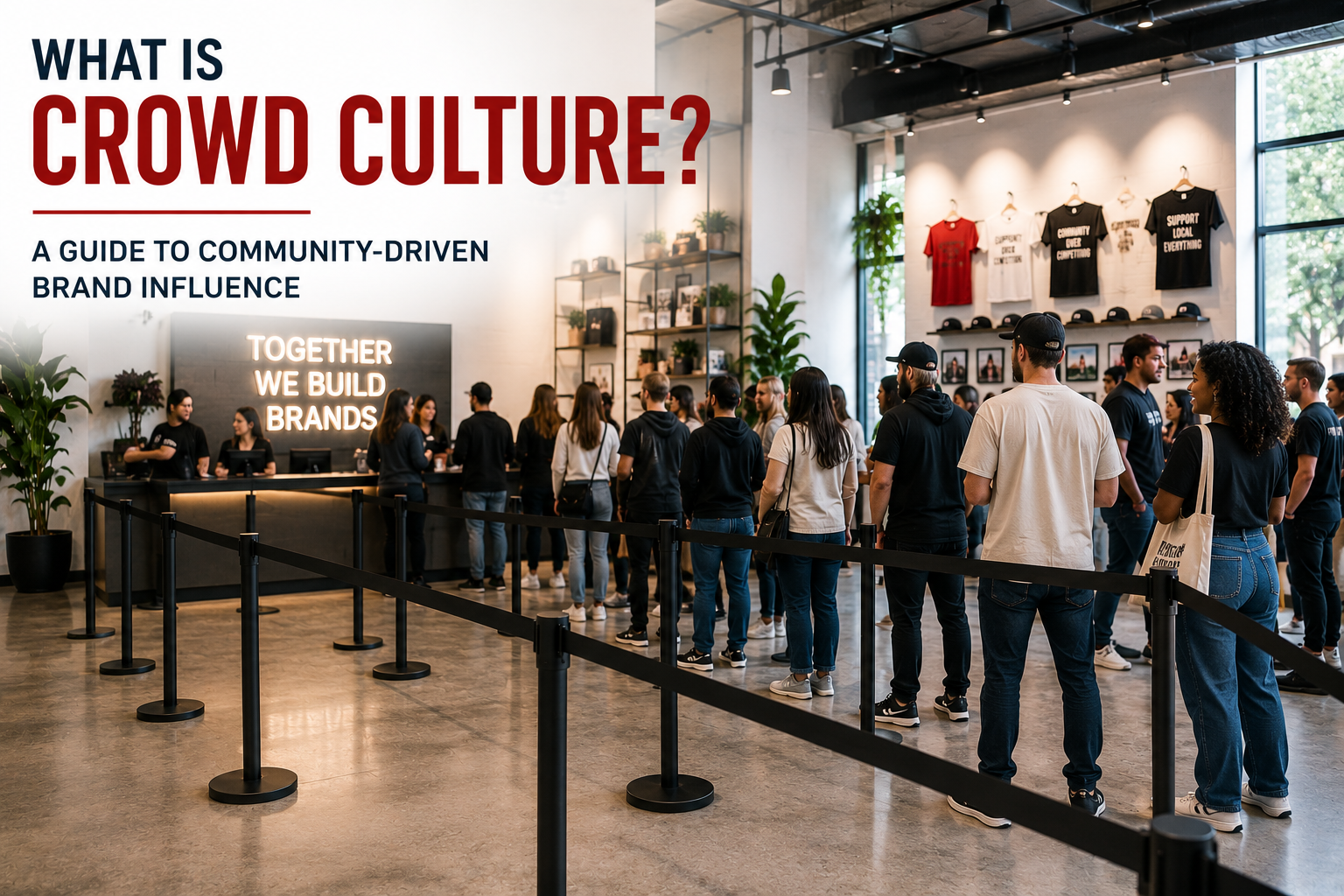
What Is Crowd Culture? A Guide to Community-Driven Brand Influence
In today’s fast-paced world, the way people gather, interact, and move through spaces says a lot about the brands they support. Crowd culture isn’t just about large groups of people—it’s about understanding the energy, behaviors, and expectations of communities and using that insight to shape memorable experiences. From effective crowd control and crowd management strategies to thoughtful space management and queue management, businesses are discovering that a well-organized environment can enhance customer experience in ways that go far beyond convenience. By embracing the principles of crowd culture, brands can turn everyday interactions into moments of connection, loyalty, and influence, all powered by the collective energy of the people they serve.
What Is Crowd Culture?
Crowd culture refers to the collective behaviors, trends, and values created and shared by groups of people, both online and offline. It emerges from the interactions, opinions, and contributions of communities rather than from top-down directives. In modern marketing, crowd culture influences how brands are perceived, as consumer communities can shape trends, spread ideas, and drive engagement organically. Essentially, it’s the power of the crowd shaping culture, communication, and consumer behavior.
How Crowd Culture Works
Crowd culture is the collective influence and behavior that emerges from groups of people interacting, both online and offline. It shapes what trends, ideas, and behaviors gain popularity, often without a central authority directing them.
Communities Shape Perception
Communities play a key role in creating and spreading content that influences how others see products, brands, or ideas. Through discussions, recommendations, and shared experiences, communities can elevate certain perspectives and shift public opinion.
The Role of Social Media and Digital Platforms
Digital platforms amplify the speed and reach of crowd culture. Social media allows content to spread rapidly, connecting people across different geographies and demographics. This acceleration helps trends form faster than traditional word-of-mouth or mainstream media.
Real-World Example
Viral campaigns or community-driven memes illustrate the power of crowd culture. For instance, a clever social media meme or hashtag can change how people perceive a brand overnight, turning niche communities into trendsetters and influencing broader consumer behavior.
How Crowd Culture Works
Crowd culture shapes how groups of people behave, interact, and influence trends in both physical and digital spaces. In environments like museums, galleries, and public attractions, crowd management and space management are essential for creating positive visitor engagement and enhancing the customer experience.
Communities Influence Perception
Communities create and share content that can dramatically affect public perception. In physical spaces, well-designed queue setups, single line queue systems, and queue solutions using retractable belts, velvet ropes, or post & rope stanchions guide visitors effectively, reinforcing safety and cultural norms. Online, these communities accelerate trends, shaping opinions around brands, experiences, and cultural heritage.
Tools for Crowd Management
Using crowd management tools such as retractable belt barriers, retractable belt posts, plastic stanchions, stainless steel, or upscale stanchions, institutions can enforce safety protocols while maintaining an organized flow. Modern interactive rope barriers and museum rope barriers allow visitors to engage with exhibits safely, while traditional rope barriers and spring-loaded mechanism stanchions support structured waiting lines. High-density polyethylene and recycled materials are increasingly used to create sustainable solutions that balance functionality with educational experiences.
The Role of Social Media and Cultural Influence
Digital platforms amplify crowd culture, turning small communities into trendsetters. Branded signage, queue design, and thoughtful queue setup can enhance visitor perception, while viral campaigns and community memes can influence how people view a space, brand, or cultural experience. By combining physical crowd control measures with online engagement, organizations can strengthen both safety and visitor experience.
Why Crowd Culture Matters to Brands
In today’s market, consumers value authenticity and expect brands to align with their communities and cultural interests. For retail stores, this means understanding visitor demographics and designing experiences that enhance both visitor engagement and visitor participation. Traditional advertising alone no longer guarantees attention; instead, brands that actively participate in culture—through educational experiences, community events, or rebranding projects—create stronger connections with their audiences.
Effective crowd control and the use of smart systems help brands manage visitor traffic while improving the overall visitor experience. By co-creating with communities and integrating into their cultural spaces, brands foster loyalty and turn one-time visitors into long-term advocates. In essence, aligning with crowd culture allows brands to move beyond transactional interactions and become trusted, valued members of the communities they serve.
Crowd Culture Across Platforms
Different social and digital platforms shape crowd culture in unique ways, influencing how communities create, share, and interact with content. Understanding these platform-specific behaviors helps brands engage effectively, leverage trends, and participate authentically in conversations that matter to their audiences. This section breaks down key platforms and the crowd culture dynamics that define them.
| Platform | Key Crowd Culture Feature | Typical Content | Brand Opportunities |
| TikTok | Short-form viral trends | Challenges, memes | Trend-driven campaigns |
| Visual storytelling | Reels, stories, UGC | Influencer collaborations | |
| Twitter/X | Conversations & hashtags | Threads, viral posts | Social listening & engagement |
| Niche community discussions | AMA, threads | Authentic co-creation & research | |
| Discord | Private micro-communities | Chat, events | Direct engagement & feedback loops |
Learn more about Crowd Culture here.
FAQ’s
- What is crowd culture?
Crowd culture is the collective behavior, trends, and values shaped by communities rather than top-down messaging. It influences consumer behavior, content sharing, and brand perception through shared ideas and interactions. - Why is crowd culture important for brands?
Brands that understand and engage with crowd culture can build authenticity, foster loyalty, and tap into viral trends. It helps marketers connect with communities in ways that traditional advertising alone cannot achieve. - How do online platforms impact crowd culture?
Different platforms foster different types of engagement. For example, TikTok drives viral challenges, Instagram focuses on visual storytelling, Reddit encourages niche community discussions, and Discord enables intimate micro-community interactions. - What are examples of crowd culture in action?
User-generated content, viral memes, hashtag campaigns, and community-led social movements are all examples of crowd culture shaping trends and influencing brand perception. - How can brands leverage crowd culture safely?
Brands should engage authentically, co-create with communities, listen to feedback, and avoid opportunistic or inauthentic messaging. Monitoring trends and platform behavior helps prevent missteps and backlash. - What metrics indicate strong crowd culture engagement?
Key metrics include shares, comments, likes/reactions, and user-generated content. High engagement rates and community participation signal a healthy and influential crowd culture.