
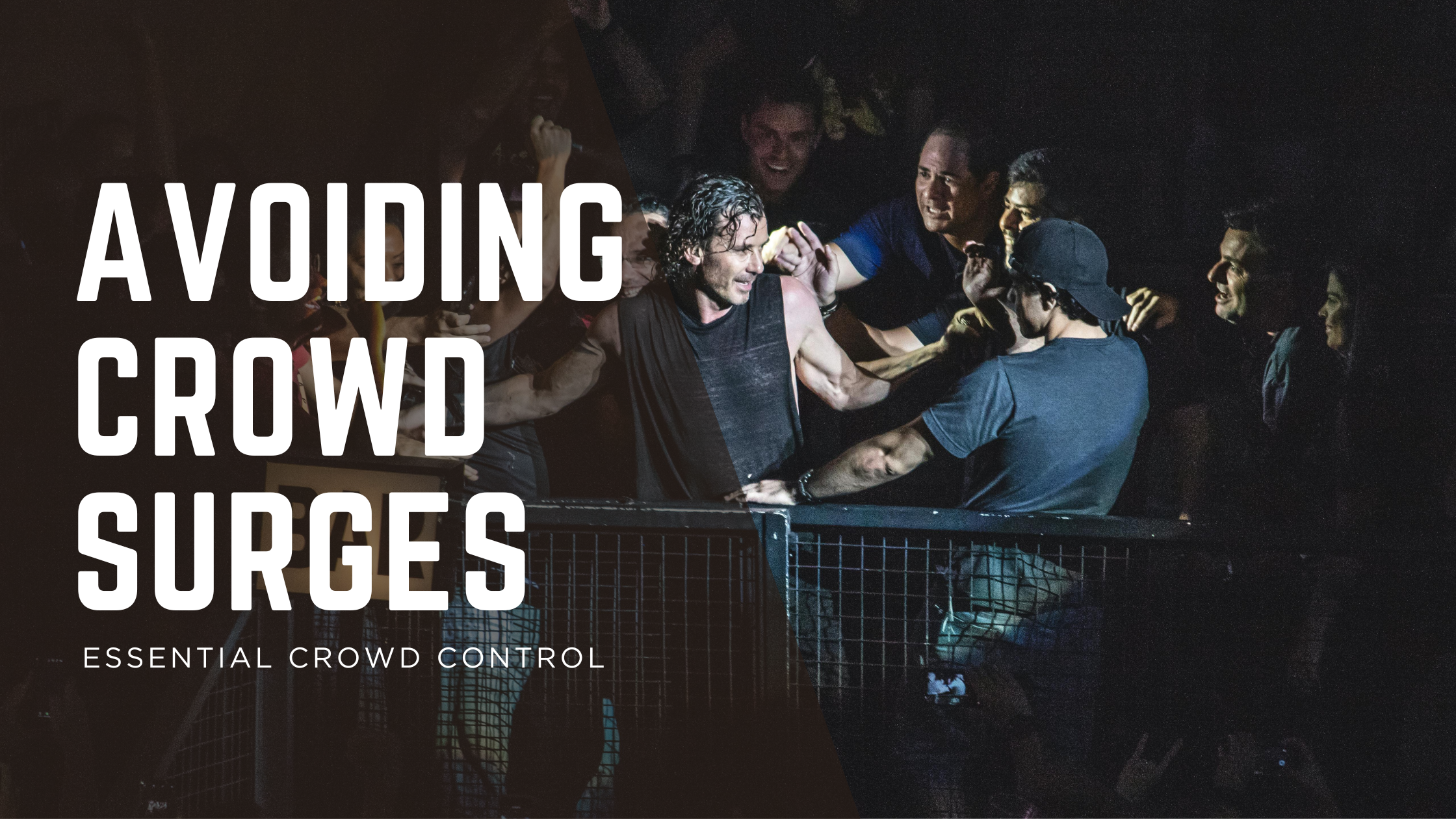
Essential Crowd Control: Avoiding Crowd Surges
Crowds can be exciting, but they can also be unpredictable. Whether at an outdoor concert, music festival, sporting event, or public gathering, the risk of crowd surges is real—and potentially dangerous. Understanding essential crowd control strategies is crucial for ensuring the safety of attendees, preventing panic, and avoiding tragic outcomes. From strategic planning to real-time monitoring and management, knowing how to navigate and control large crowds can make all the difference. In this guide, we’ll explore key strategies to prevent crowd surges, keep attendees safe, and maintain order in high-density environments.
Essential Crowd Control Strategies for Preventing Crowd Surges
Large-scale events like concerts, festivals, and political rallies attract thousands of attendees, making crowd management a critical aspect of ensuring event safety. Without proper crowd management, crowd surges can occur, leading to injuries, crowd crushes, and even fatalities. Whether caused by excitement, fear, or dense crowds, a crowd surge can escalate quickly if not controlled through effective crowd control techniques. By implementing modern crowd control strategies and leveraging AI-driven analytics and crowd monitoring technology, event venue organizers can enhance security, maintain a secure environment, and create an enjoyable experience for attendees.
Understanding Crowd Surge Meaning, Definition, and Effective Crowd Management
Here are the key aspects of a crowd surge: a sudden, uncontrolled movement of a large group of people, often caused by excitement, fear, or overcrowding, requiring effective crowd management to prevent safety risks:
The Importance of Effective Crowd Control
Crowd management challenges arise when crowd density exceeds safe levels, making proper crowd management essential for a successful event. Event staff, security personnel, and venue managers must anticipate potential issues, including medical emergencies, aggressive behavior, and unexpected situations, to prevent deadly crowd surges.
Key Strategies for Preventing Crowd Surges
1. Venue Layout and Maximum Capacity Planning
Understanding venue layout and setting a safe maximum capacity is the backbone of crowd control. Exceeding egress capacity increases safety risks and can lead to crowd crushes. Venue managers should:
- Design evacuation plans with clearly marked emergency exits.
- Use heat maps and heat mapping technology to track attendee movements.
- Optimize traffic flow patterns to prevent congestion.
- Ensure security checkpoints do not obstruct the smooth flow of attendees.
2. Security Measures and Staff Deployment
Security breaches can lead to safety concerns at high-attendance events. To maintain a secure environment, security officers, security guards, and security staff should:
- Position at key entry and exit points.
- Conduct real-time crowd monitoring using advanced crowd-monitoring technology.
- Use barrier types like stage barriers, barrier stanchions, and event barricades to manage dynamic crowds.
- Educate attendees about evacuation procedures through effective communication.
3. Emergency Planning and Protocols
A well-defined emergency planning strategy can save lives during medical situations and unexpected situations. Key emergency protocols include:
- Training emergency personnel to handle medical emergencies efficiently.
- Establishing communication systems for real-time data exchange.
- Collaborating with emergency services for rapid response.
- Conducting drills to prepare for anticipated situations.
4. Use of Advanced Crowd Management Techniques
Leveraging AI-driven analytics and crowd monitoring technology allows for constant monitoring and quick response to crowd density fluctuations. Advanced crowd management techniques include:
- Real-time attendance tracking for monitoring crowd size.
- Implementing heat maps to detect high-risk zones.
- Utilizing a blend of technology and human intervention for successful crowd management.
5. Weather Conditions and Contingency Plans
Weather conditions can impact event schedules and attendee behavior. Inclement weather may lead to last-minute changes that require contingency plans. Venue managers should:
- Provide shelter areas for fun experiences despite unpredictable weather.
- Adjust event schedules to avoid congestion in poor conditions.
- Ensure proper drainage to prevent property damage from extreme weather.
Learn more about weather risk management here.
6. Maintaining a Smooth Flow and Attendee Experience
A successful event depends on effective crowd control plans that allow for a steady flow of attendees. Event staff should:
- Implement an organized attendance process.
- Use physical barriers to channel attendee movements.
- Optimize traffic flow patterns for ease of movement and to reduce bottlenecks.
- Place signage for a smooth flow throughout the event venue.
7. Managing Emergency Situations and Ensuring Quick Response
In any event, being prepared for medical emergencies and unexpected situations is key to preventing crowd surges. Event staff and security personnel should:
- Train all team members in basic emergency procedures and first aid to respond quickly to medical emergencies.
- Establish clear event emergency protocols and make sure all staff are familiar with emergency exits and evacuation plans.
- Coordinate with emergency services for rapid intervention in case of injury or crowd crushes.
- Utilize advanced crowd management techniques to identify and address dangerous behaviors, such as aggressive behavior or panicked movements, before they escalate.
Quick response to medical situations or emergency protocols can minimize the risk of a deadly crowd surge and keep the event safe.
8. The Role of Communication and Real-Time Adjustments
Effective communication is critical in managing dynamic crowds and ensuring smooth flow throughout an event. Event staff and security officers should:
- Implement real-time attendance tracking to monitor the crowd size and identify potential risks.
- Maintain constant communication systems to relay important updates about crowd movements or unexpected situations.
- Adjust traffic flow patterns and barrier types dynamically to respond to crowd surges as they happen.
- Regularly update attendees about evacuation procedures to ensure they remain calm and prepared for any necessary evacuations.
By continuously adapting to changing conditions with effective communication, organizers can prevent potential safety risks and ensure a positive experience for all attendees.
Why Effective Crowd Control is Essential for Event Safety
Managing any event type, be it a political rally, music festival, or sporting event, and ensuring a safe environment requires essential strategies in modern crowd control. Proper planning and effective communication help mitigate safety concerns, while security officers and event staff must be prepared to handle safety issues swiftly.
By integrating advanced crowd management techniques, including heat mapping technology, barrier types, and real-time attendance tracking in the planning process, organizers can create a fun experience while maintaining event safety. Understanding crowd surge meaning, crowd surge definition, and the aspect of crowd management will help prevent deadly crowd surges, ensuring an enjoyable event experience for attendees at any type of event.