
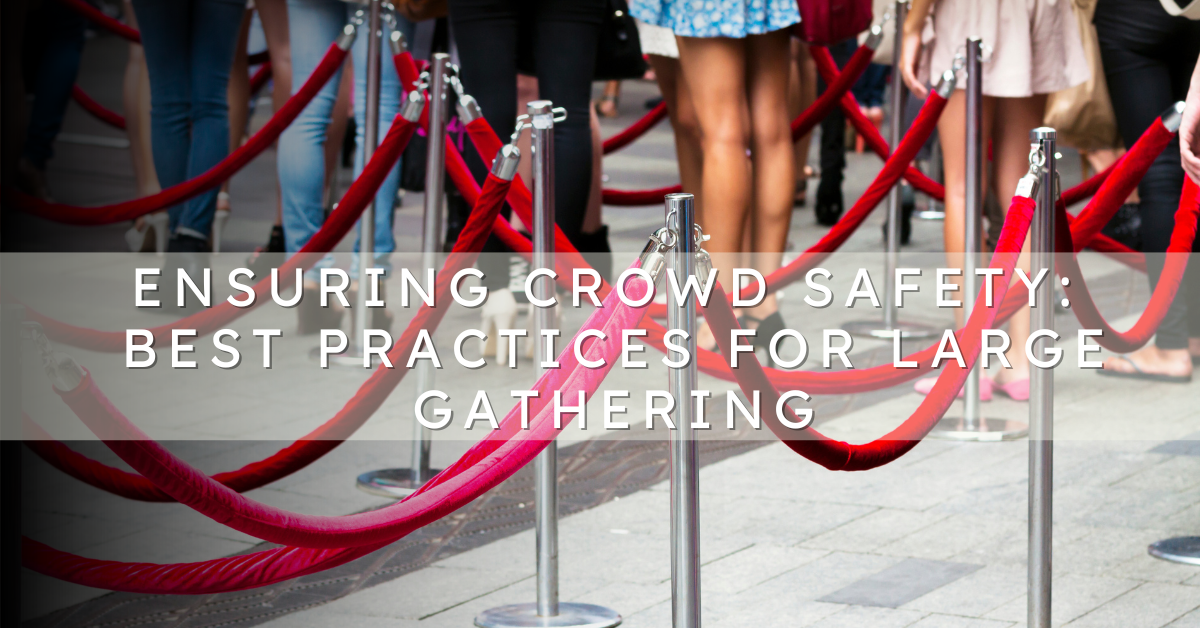
Ensuring Crowd Safety: Best Practices for Large Gatherings
When it comes to large gatherings, ensuring crowd safety is paramount. Whether hosting a ticketed event, a festival with festival seating, or a high-profile concert, event organizers must prioritize crowd management to prevent accidents, injuries, or worse. Understanding crowd behavior, crowd dynamics, and implementing effective crowd control measures is essential to providing a safe environment for attendees.
Understanding Crowd Dynamics and Crowd Behavior
Crowd psychology and behavioral psychology play a significant role in crowd safety management. People in large groups often act differently than they would individually—a phenomenon influenced by safety in numbers, peer behavior, and perceived anonymity. Recognizing patterns in crowd flow, crowd density, and potential points of congestion helps security personnel, police officers, and event organizers anticipate risks.
For example, a sudden crowd surge or a crowd collapse can occur if maximum occupancy levels are exceeded or crowd density is too high near key locations like stages or entry points. Crowd monitoring technology such as density mapping, CCTV systems, and digital information kiosks can help track movement in real-time, alerting security staff to potential hazards before they escalate.
Comprehensive Risk Assessment
A thorough risk assessment is the foundation of any successful crowd management plan. This assessment should consider emergency protocols, emergency exit routes, first aid stations, medical incidents, and emergency communication channels. Security staffing requirements must be determined based on the expected crowd size, venue layout, and type of event. Staffed positions should include security officers, first response teams, and emergency personnel stationed strategically to ensure rapid intervention when needed.
Identifying areas prone to crowd crush, frenzied fans, or fence breaches allows for proactive mitigation. Police officers and riot police should be integrated into emergency response planning, especially for events with historically high-energy crowds. Measures such as stage barricades, metal detectors, and first-aid kits help maintain order while ensuring attendee safety.
Implementing Crowd Control Measures
Effective crowd control combines both physical infrastructure and trained personnel. Event management strategies should include clearly marked emergency exit routes, help stations, help points, and information points. Public address systems, event apps, and LED walls can relay critical information to attendees during both routine operations and emergencies.
Security measures should include visible security uniforms, ensuring attendees can easily identify security workers. Personal security and customer service approaches encourage cooperation between staff and guests, reducing tension during potentially volatile situations.
Crowd Monitoring and Technology
Modern events increasingly rely on technology to enhance crowd safety management. Crowd monitoring technology provides real-time insights into crowd flow, density mapping, and potential bottlenecks. When combined with trained security personnel and police officers, these systems can predict crowd surges, prevent crowd collapse, and facilitate emergency evacuation efficiently.
Digital solutions such as digital information kiosks, event apps, and integrated public address systems allow for immediate communication to attendees, minimizing communication breakdowns during critical incidents. First response teams equipped with these tools can provide timely intervention during medical incidents or unexpected hazards.
Planning for Emergency Situations
A well-defined emergency plan is non-negotiable for event organizers. This plan should include:
- Emergency evacuation strategies tailored to the venue’s maximum occupancy levels
- Locations of first aid stations and first-aid kits
- Help stations, help points, and information points for attendees
- Emergency communication channels through public address systems, event apps, or LED walls
- Roles and responsibilities for security officers, security workers, and emergency personnel
Having a clear emergency response planning framework ensures that crowd crush, crowd disaster, or medical incidents are addressed quickly. Incorporating riot control measures, such as the strategic deployment of riot police or controlled use of tear gas, can prevent escalation during violent outbreaks.
Security Staffing and Deployment
Security staffing requirements depend on event size, layout, and risk profile. Staffed positions must cover entrances, exits, high-density areas, stages, and perimeters. Security service teams provide both personal security for high-profile attendees and general oversight of crowd control.
Stage barricades and other physical barriers help manage crowd flow, while metal detectors and ticketed event protocols reduce the risk of prohibited items entering the venue. Adequately trained security officers can respond to frenzied fans, fence breaches, and other incidents without causing panic, maintaining the integrity of the crowd management plan.
Managing Crowd Density and Flow
Maintaining safe crowd density is critical. Overcrowding can lead to dangerous crowd surges and potential crowd collapse. Density mapping and continuous crowd monitoring enable security personnel to adjust crowd flow dynamically. Strategies include:
- Reserved seating or festival seating arrangements
- Clearly marked pathways and emergency exit routes
- Staggered entry times to reduce congestion
- Digital information kiosks, event apps, and LED walls to communicate real-time instructions
By proactively managing crowd dynamics, event organizers can reduce risk and enhance the attendee experience.
Integration of Emergency Medical Services
First aid stations, first-aid kits, and medical incidents response teams are vital to crowd safety management. Quick first response ensures that minor injuries do not escalate and that major incidents receive immediate attention. Security workers trained in basic medical procedures supplement these services, providing a coordinated approach to emergency evacuation and care.
Maintaining Communication and Information Flow
Communication failures often exacerbate crises. Ensuring robust emergency communication through public address systems, digital information kiosks, event apps, and help points helps keep attendees informed and calm. Proper dissemination of instructions reduces the risk of crowd crush or frenzied fans reacting unpredictably. Customer service and security uniforms also support the perception of authority and reliability, helping maintain order.
Final Thoughts on Crowd Safety
Implementing a comprehensive crowd management plan requires a multidisciplinary approach. Understanding crowd psychology, leveraging crowd monitoring technology, and coordinating police officers, security personnel, and emergency personnel ensures event safety. Key practices include:
- Conducting thorough risk assessments
- Monitoring crowd flow and crowd density
- Maintaining first aid stations, help points, and emergency exit routes
- Employing security service, security officers, and staffed positions strategically
- Using LED walls, digital information kiosks, and event apps for real-time communication
- Planning for crowd disaster, crowd crush, or medical incidents
By adhering to these principles, event organizers can prevent incidents, protect attendees, and ensure that large gatherings remain safe, enjoyable, and memorable. Safety in numbers is more than a phrase—it is a strategy grounded in crowd safety management, behavioral psychology, and proactive planning.